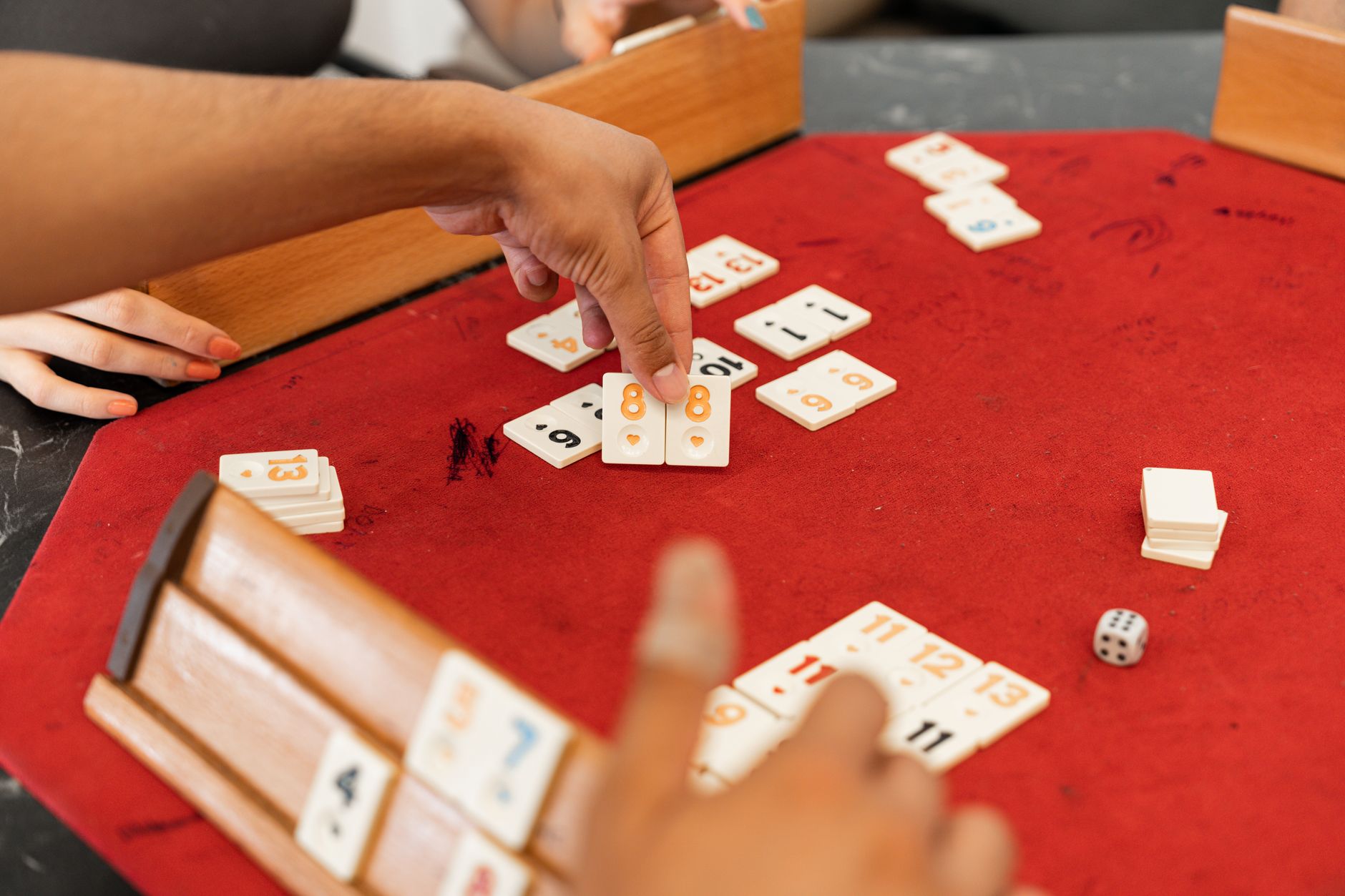
Every parent knows the scene: a child slams a game piece down, shoves the board away, or dissolves into tears because things did not go their way. It is easy to see moments like these as reasons to avoid board games. But researchers and child development specialists are finding the opposite is true — those difficult moments are precisely where the learning happens.
Emotional regulation — the ability to notice, manage, and recover from big feelings — is one of the most important skills children develop before adulthood. It affects friendships, academic performance, and long-term mental health. And it turns out that the kitchen table, with a simple board game spread across it, is one of the best places to practice it.
This is not about games designed to teach feelings or therapy tools with cartoon emotion wheels. It is about ordinary family games and what happens inside a child’s brain and body when they play them regularly. Here is what the research says, and what you can do with it.
What Emotional Regulation Actually Means for Kids
Emotional regulation does not mean a child never gets upset. It means they can feel frustrated, disappointed, or excited without being completely overwhelmed by that feeling — and that they can find their way back to calm without melting down. Psychologists describe it as a set of skills that develop gradually from toddlerhood through the teen years, shaped by both brain development and repeated real-world practice.
The tricky part is that children need low-stakes, frequent opportunities to hit emotional friction and work through it. They need to feel the disappointment of losing, the annoyance of waiting, the temptation to cheat, and the urge to quit — and then choose a different path. Most daily life either avoids that friction entirely or ramps it up too fast (think a school conflict or a sibling fight). Board games sit in a useful middle ground: the stakes are low enough to feel safe, but the emotional challenge is real enough to matter.
What the Research Shows About Games and Emotions
The evidence connecting board games to emotional development in children has grown steadily in recent years. A 2024 systematic review published in Leisure Sciences found that board games helped reduce problem behaviors, support pro-social behaviors, and encourage emotion-related discussion in school-age children. A separate 2025 school-based study found that a 10-week board game intervention led to significant improvements in emotional resilience among children in primary school classrooms, with some of those gains maintained at follow-up.
A broader meta-analysis of game-based learning in early childhood found a moderate effect on emotional development, with game play helping children reduce anxiety and manage negative emotions like frustration and aggression. Researchers also note that the social structure of board games — taking turns, following shared rules, reacting to unexpected outcomes — is itself an emotional workout. Every roll of the dice is a small chance to practice tolerance for outcomes outside your control, which is one of the core muscles of emotional regulation.
The Specific Emotional Muscles Board Games Train
When children sit down to play a board game, several emotional skills get activated at once:
Frustration tolerance. Waiting for a turn, drawing a bad card, or landing on the wrong square all require a child to absorb disappointment without acting on it immediately. Research on reveal-and-react style games specifically found that the social component of board game play fosters frustration tolerance alongside cognitive development.
Impulse control. Following rules means not acting on every urge — not peeking at cards, not moving extra spaces, not changing a decision after seeing the results. This is the same neural pathway involved in classroom self-regulation.
Recovery and repair. After a setback in a game, children have to keep playing. That repeated practice of bouncing back — continuing despite losing ground — is exactly the pattern therapists try to build in structured emotional skill work.
Reading other people. Multiplayer games require children to notice how others are reacting, calibrate their own behavior, and sometimes choose cooperation over winning. That social attunement is a form of emotional intelligence that builds through repeated play.
How Parents Can Make the Most of Game Time
The research is clear that board games create the conditions for emotional growth — but parents play an important role in whether those conditions are used well. A few practices make a real difference:
Name the moment, do not fix it. When a child gets visibly frustrated during a game, resist the urge to let them win or skip the uncomfortable moment. Instead, briefly name what you notice: ‘That is a tough spot. What do you want to do?’ This models the observe-then-respond pattern at the core of emotional regulation.
Model your own reactions. Children learn emotional regulation best by watching adults handle their own feelings. When you draw a bad card, say out loud how you are managing it. A calm, even mildly humorous reaction from a parent teaches more than any lecture.
Debrief lightly after the game. A single low-key question — ‘Was there a moment that felt hard for you?’ — opens a conversation without making the game feel like a lesson. Researchers found that post-game reflection as part of structured interventions helped children become more aware of how they managed frustration and collaboration during play.
Play regularly, not just when behavior is a concern. The benefits build through repetition. Families who play together weekly give children far more emotional practice reps than those who pull out a game only on special occasions.
Which Types of Games Work Best by Age
Not all games provide the same emotional workout, and the right fit matters by age:
Ages 3 to 6. Simple games with short playing times and clear rules work best. A game that ends in five minutes gives a young child the experience of an emotional arc — anticipation, uncertainty, outcome, recovery — in a format their developing attention and self-control can handle. Cooperative games can be especially helpful at this age, since winning together removes some of the emotional intensity of head-to-head competition.
Ages 7 to 10. Children this age are ready for more complex turn structures, longer waits, and competitive play. Games that involve some strategy alongside luck are ideal because they give children something to focus on rather than simply reacting to random outcomes. This is also the age when post-game reflection becomes more natural and productive.
Ages 11 and up. Older kids and teens benefit from games with genuine strategic depth, negotiation elements, or cooperative problem-solving. These formats push emotional skills like perspective-taking, delayed gratification, and managing rivalry without conflict — all of which matter enormously in adolescent social life. Our roundup of games for kids 10 and older includes several that fit this profile well.
Related Guides
- age-appropriate games for younger children
- games for kids 10 and older
- games the whole family genuinely enjoys together
- building a consistent family game night habit
Frequently Asked Questions
Can board games really help a child who struggles with anger or big feelings?
Research suggests yes, especially with consistent play over time. Board games create repeated, low-stakes opportunities to practice frustration tolerance, impulse control, and emotional recovery — the same skills targeted in many therapeutic approaches. They work best when parents stay present, name emotions calmly, and resist bailing a child out every time a moment gets hard.
What should I do when my child has a meltdown in the middle of a game?
Pause the game calmly without shaming the child or abandoning the session entirely if possible. Acknowledge the feeling briefly, give a short break if needed, and then invite them back. Finishing the game — even after a difficult moment — is itself a meaningful emotional rep. Over time, those recoveries become easier and faster.
Are cooperative board games better than competitive ones for emotional development?
Both have real value, but for different skills. Cooperative games are excellent for younger children and for building teamwork and shared problem-solving. Competitive games are where children practice losing, waiting, and managing rivalry — skills that cooperative formats do not train as directly. A mix of both across game nights gives children the broadest emotional practice.
How young is too young to use board games for emotional regulation?
Children as young as three can benefit from very simple games, as long as the games are short, the rules are clear, and a parent stays engaged. The goal at this age is not winning or strategy — it is the experience of taking turns, sitting with uncertainty for a few minutes, and seeing how the moment resolves. Even a basic color-matching game provides that arc.