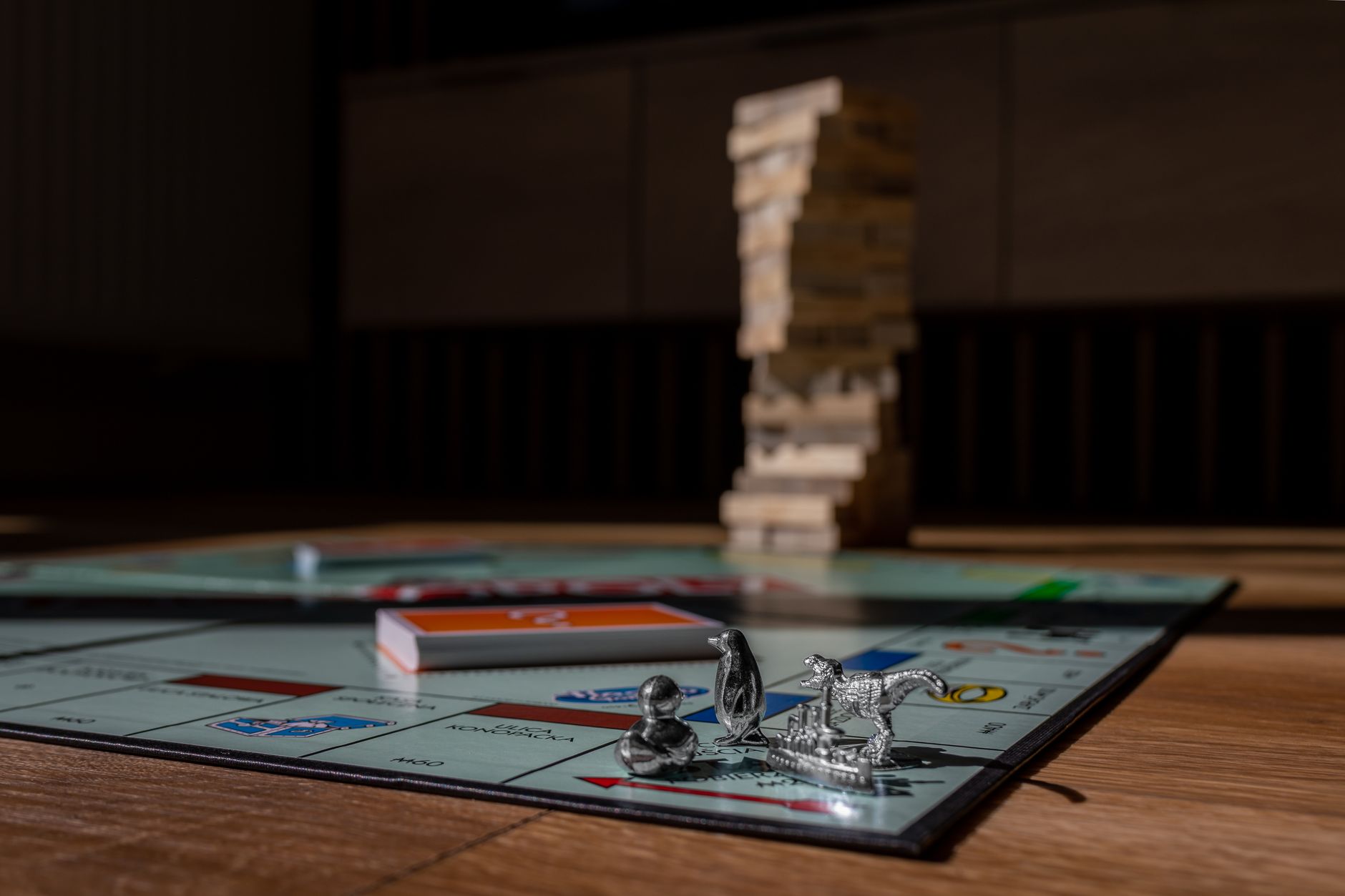
Outdoor Play vs. Board Games: How to Balance Both for Your Child's Development
Learn how outdoor play and board games each support your child’s growth — and how to build a routine that gives kids the best of both worlds.
These guides answer the questions that come up before you start shopping. Which age is actually ready for strategy games? What specs matter in a kids headphone vs. which ones are just marketing? How do you keep family game night from turning into an argument?
Each guide is written for parents making real decisions — with research where it helps and plain language throughout.
Learn how outdoor play and board games each support your child’s growth — and how to build a routine that gives kids the best of both worlds.
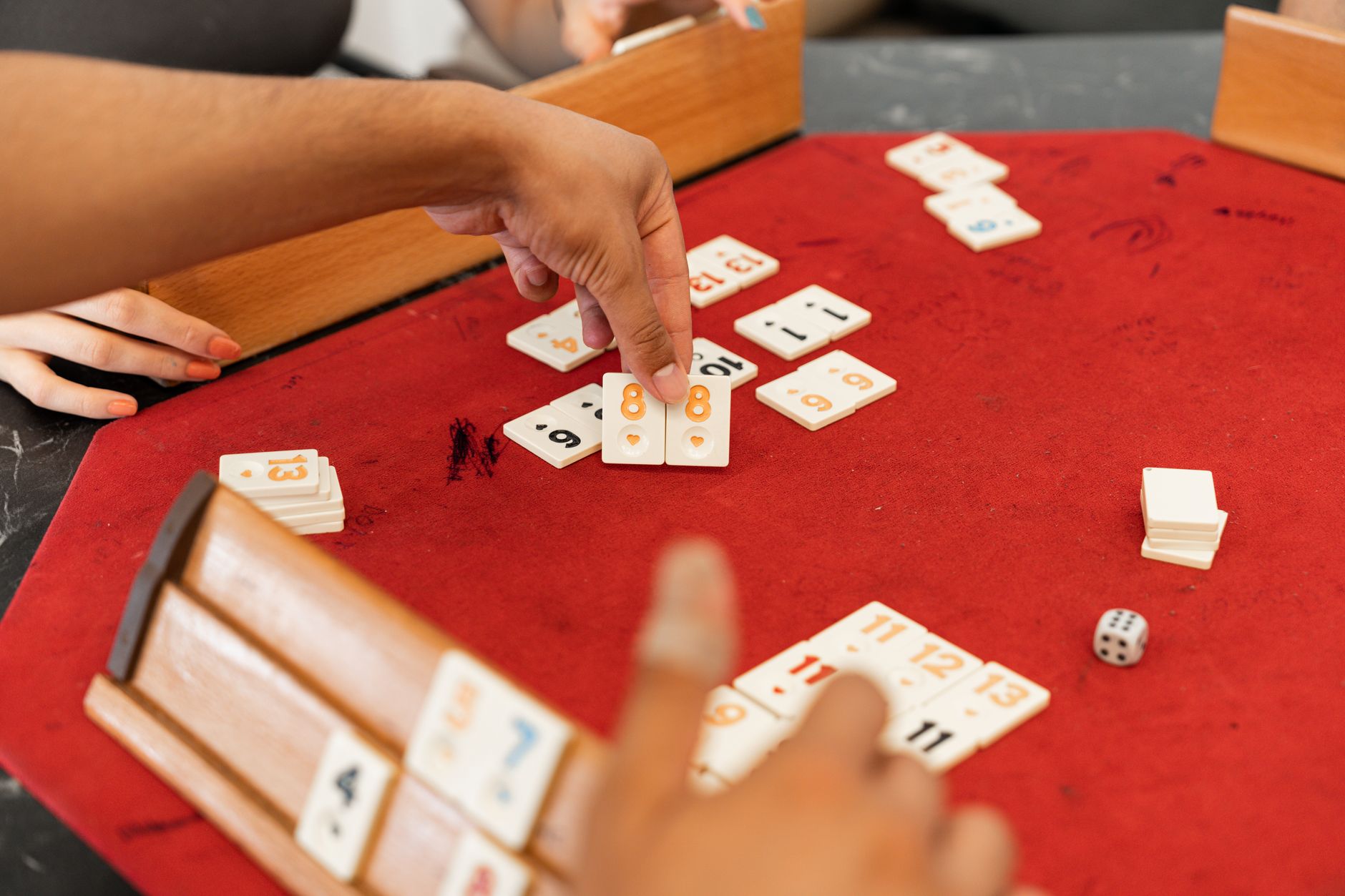
Research shows board games build emotional regulation in kids. Here’s what’s happening during gameplay and how to use it at home.

Discover verbal and observation car games that sharpen memory, language, and critical thinking — organized by age so every kid in the car wins.

Before you hand your child a tablet for the next road trip, read what child development research says about boredom and what actually helps kids thrive.

Discover how board games strengthen kids’ planning, working memory, and focus — and what research says parents can do about it.
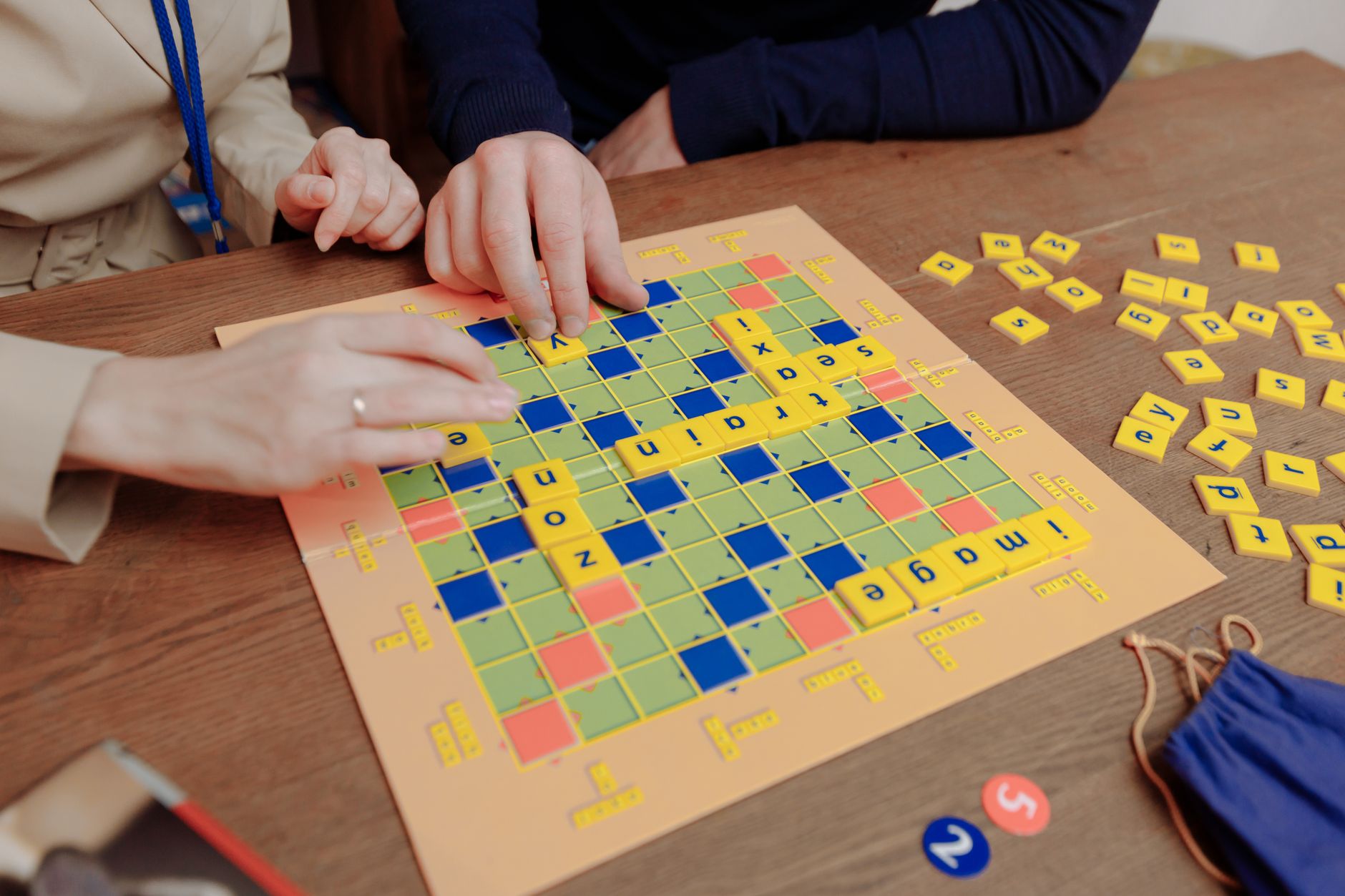
Learn how board games develop communication, empathy, and emotional regulation in kids — backed by child development research parents can actually use.
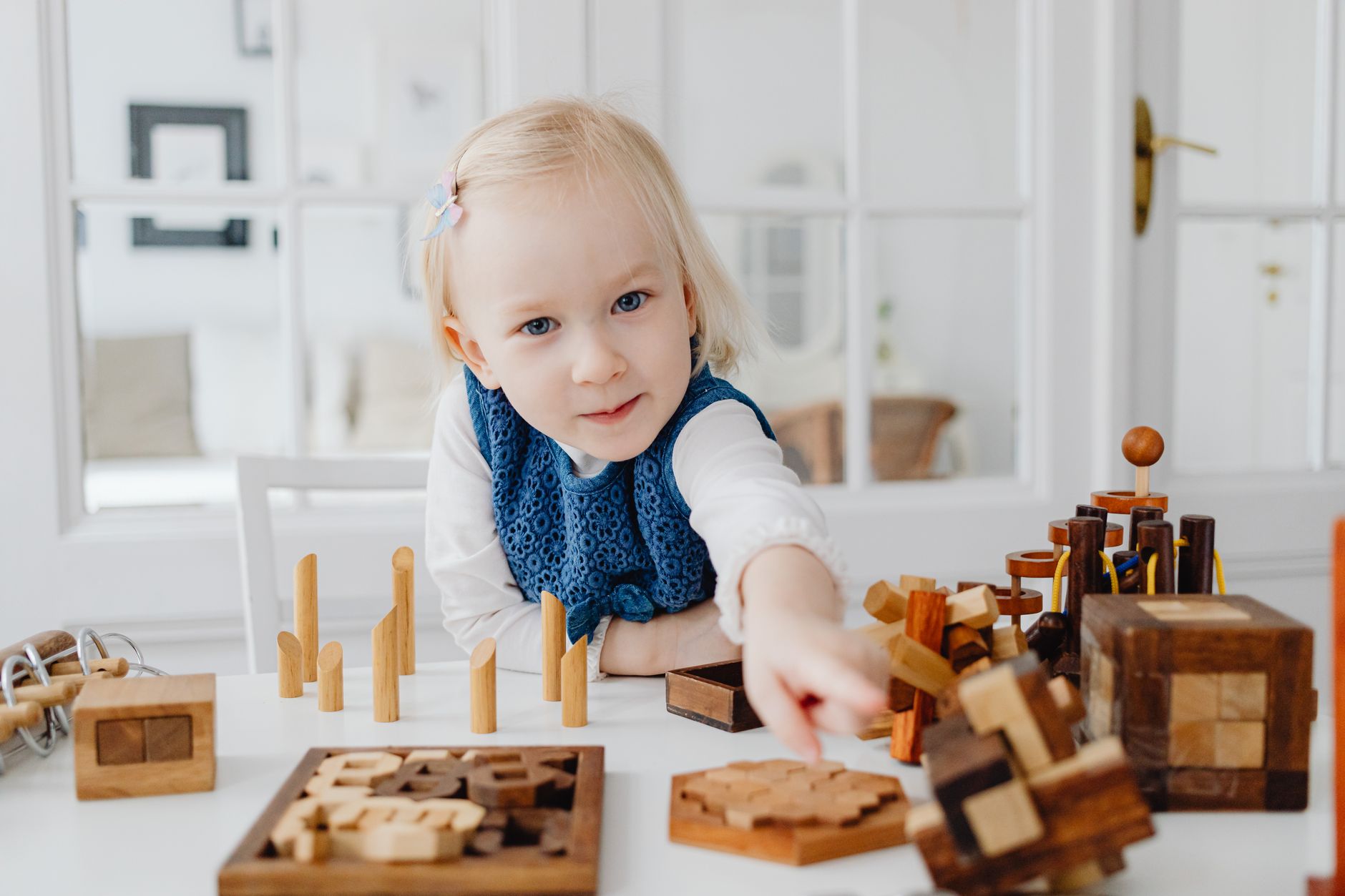
From spatial skills to fine motor growth, here’s what science says about puzzles for kids — and how to pick the right one at every age.

Do audiobooks really help kids learn, or are they just an easy shortcut? Here’s what the research says, by age and situation.

Practical strategies to keep kids ages 3–16 engaged on road trips — no tablet required — backed by child development research.
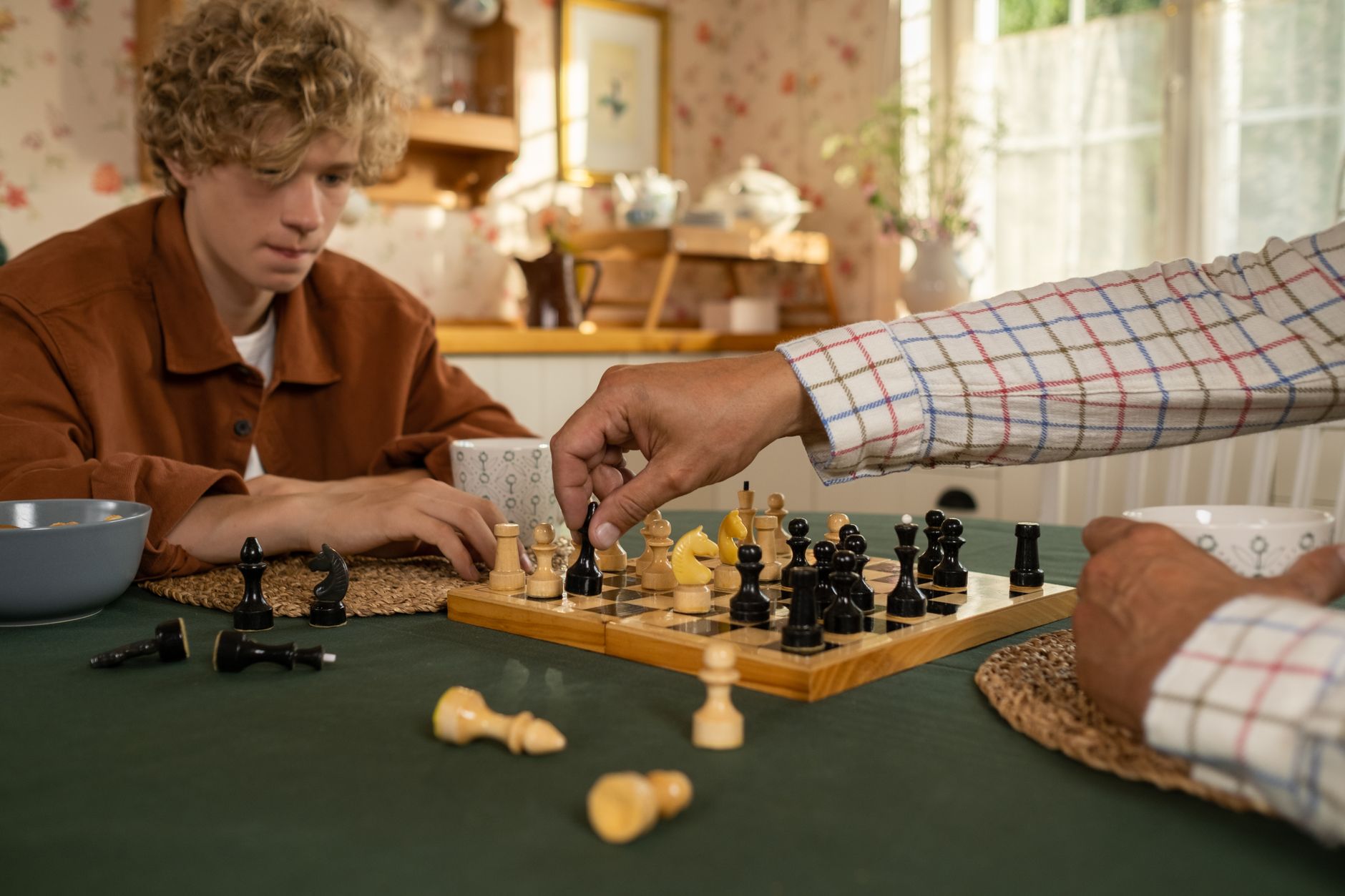
Kids aged 5 and teens at the same table? Here’s how to choose and adapt board games so every age stays engaged and no one feels left out.