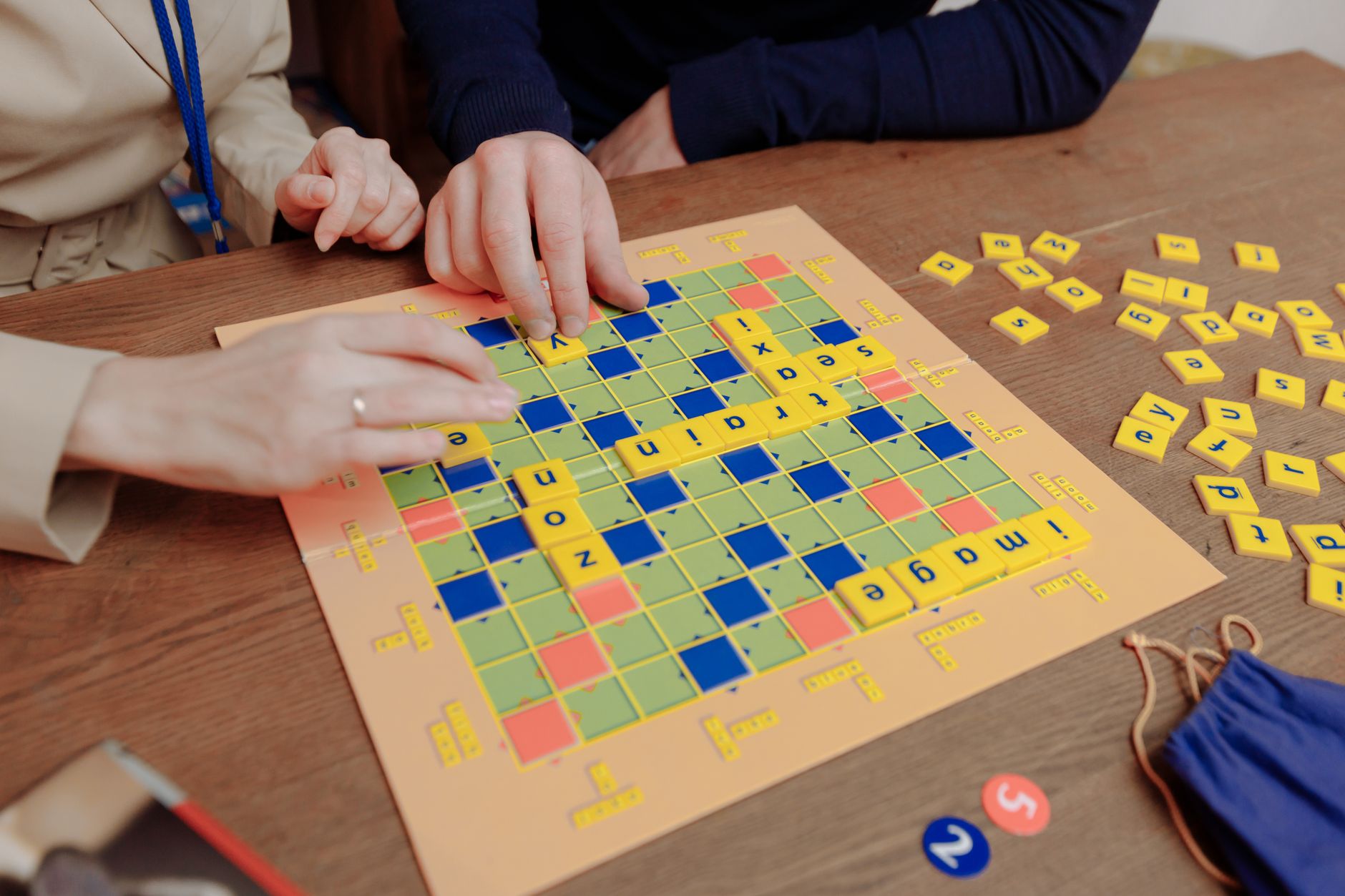
If you have ever watched your child slam down a card when they lose, refuse to wait their turn, or completely shut down mid-game, you already know that the dining room table can be a surprisingly intense place. What you might not realize is that those moments of frustration are not signs that something is going wrong. According to child development researchers, they are exactly when the real learning begins.
Board games have been used in schools, therapy offices, and pediatric clinics for decades as tools for social and emotional growth. But you do not need a clinical setting to see the benefits. A regular game night at home gives kids a structured, low-stakes space to practice skills they will use every day: listening, negotiating, handling disappointment, and reading the room.
This guide breaks down what the research actually says about board games and social development, what skills different types of games build, and how parents can use game time intentionally — without turning it into a lecture.
What the Research Says About Board Games and Social Development
Pediatricians and child development experts have spent years studying the connection between play and social growth. The American Academy of Pediatrics has emphasized that playing with both parents and peers is essential to developing healthy brains, bodies, and social bonds — and that the decline of playtime in modern childhoods is a genuine concern for kids’ well-being.
Board games sit at a useful intersection of structured play and real social interaction. A 2018 study found that incorporating board games into educational settings improved students’ social interactions and communication skills, even among children with developmental challenges. Research published in peer-reviewed developmental psychology journals has also highlighted board games as tools for enhancing children’s cognitive performance, executive function, and mathematical skills.
The honest caveat is that the research is still growing. Scientists note that many studies focus on specific populations, and more work is needed across the general population. But the pattern that emerges consistently is clear: games that require players to interact, wait, negotiate, and respond to others build real-world skills that transfer beyond the table.
Turn-Taking, Patience, and Impulse Control
One of the most immediate skills a board game teaches is deceptively simple: waiting. For young children, this is genuinely hard. Preschool-aged kids are developmentally wired to act on impulse, and sitting with the discomfort of watching someone else take a turn is real emotional work.
Pediatric therapists note that even the most basic games teach children to practice turn-taking, impulse control, and frustration tolerance — skills that are crucial for success in school and social relationships. The structured nature of games helps here: rules are rules, and a child has to sit with those feelings of frustration or impatience when they must wait their turn.
With repeated exposure, those big feelings become easier to manage. Child development specialists explain that the more practice a child gets experiencing frustration in a safe setting, the less overwhelming those feelings become over time. This is why regular game nights, not just occasional ones, tend to show the most meaningful results. Consistency gives kids the repetition they need to genuinely build these skills rather than just white-knuckle their way through a single game.
Emotional Regulation: Learning to Handle Winning and Losing
Losing at a board game is one of the safest ways a child can practice one of life’s hardest lessons. Psychologists who work with children are clear that the goal is not to create frustration-free game nights. Some frustration is the whole point.
Games allow children to experience and manage emotions like joy, frustration, and disappointment in a controlled environment. When a parent validates a child’s disappointment without removing the consequence of the loss, they are teaching a foundational emotional regulation skill: you are allowed to feel upset, and you are still responsible for how you behave when you are upset.
Child psychologists emphasize that this distinction is enormously important. Resilience is not about pretending not to care. It is about learning that you can tolerate frustration and disappointment and recover. Those are not just board game skills — they are life skills. Parents can help by naming emotions during the game rather than shutting them down, and by modeling their own calm responses when things do not go their way.
Communication, Empathy, and Reading Other People
Board games are social by nature, and that social texture is where communication skills get built. Games encourage verbal interaction, helping children articulate ideas, ask questions, and engage in back-and-forth conversation. Cooperative games go further, requiring players to work together toward a shared goal — teaching teamwork and shared responsibility in a way that is genuinely motivating.
There is also a subtler skill at play: reading other people. When kids sit across a table from a sibling or friend, they naturally start noticing body language, facial expressions, and tone. Child psychologists point out that players begin to notice non-verbal cues — like when someone’s expression signals they are frustrated — and that this kind of social attunement is a building block of empathy.
For children who struggle with social interactions, board games provide a structured environment with clear rules that make the social exchange more predictable and manageable. Research has found significant improvements in social skills scores among children who participated in board game programs, suggesting that the format itself — not just the content of the game — does meaningful developmental work.
How to Make Game Time Count for Social Growth
You do not need to turn family game night into a therapy session to get these benefits. A few small habits make a real difference.
Choose games with meaningful interaction. Games that require players to talk, negotiate, or respond to each other build more social skill than pure luck-based games where everyone just waits for a dice roll. As kids get older, layering in more complex games helps keep the challenge appropriate to their development.
Play regularly, not just on special occasions. The developmental benefits come from repeated practice. A short game on a weeknight builds more than a marathon session once a month.
Stay in the moment without over-coaching. When a child gets frustrated, resist the urge to immediately fix it. A calm, brief acknowledgment — ’that was a tough turn’ — is often more useful than a lesson about sportsmanship.
Let kids win sometimes, but not always. Children need to experience both outcomes to build genuine resilience. Consistently letting them win removes the learning opportunity that comes with a real loss.
For ideas on which games to bring to the table by age group, check out our roundup of the best board games for kids under 10 and our picks for the best board games for ages 10 and up.
Related Guides
- best board games for kids under 10
- best board games for ages 10 and up
- games the whole family will actually enjoy together
Frequently Asked Questions
At what age do board games start building social skills?
Simple turn-taking games can begin building patience and basic social awareness as early as age 3. The key is matching the game’s complexity to the child’s developmental stage — very young kids benefit most from short, rule-light games that emphasize waiting and sharing, while older children can handle games with more negotiation and strategy.
What type of board game is best for improving social skills?
Games that require players to interact — whether cooperatively or competitively — tend to build more social skill than pure luck-based games. Cooperative games are especially useful for teaching communication and teamwork, while competitive games with real stakes help kids practice handling disappointment and regulating frustration.
My child always melts down when they lose a game. What should I do?
This is developmentally normal, especially under age 8, and the game table is actually a good place to work through it. Acknowledge the feeling without removing the consequence, keep your own reaction calm, and over time the repeated exposure to manageable disappointment genuinely builds emotional regulation. Consistency matters more than perfection in any single game.
Can board games really help a child who struggles socially or has ADHD?
Research shows meaningful improvements in social skills for children with ADHD who participated in structured board game programs. The predictable rules and clear structure of board games make social exchanges more manageable for kids who find open-ended social situations overwhelming. That said, games are a helpful supplement, not a replacement, for professional support when it is needed.