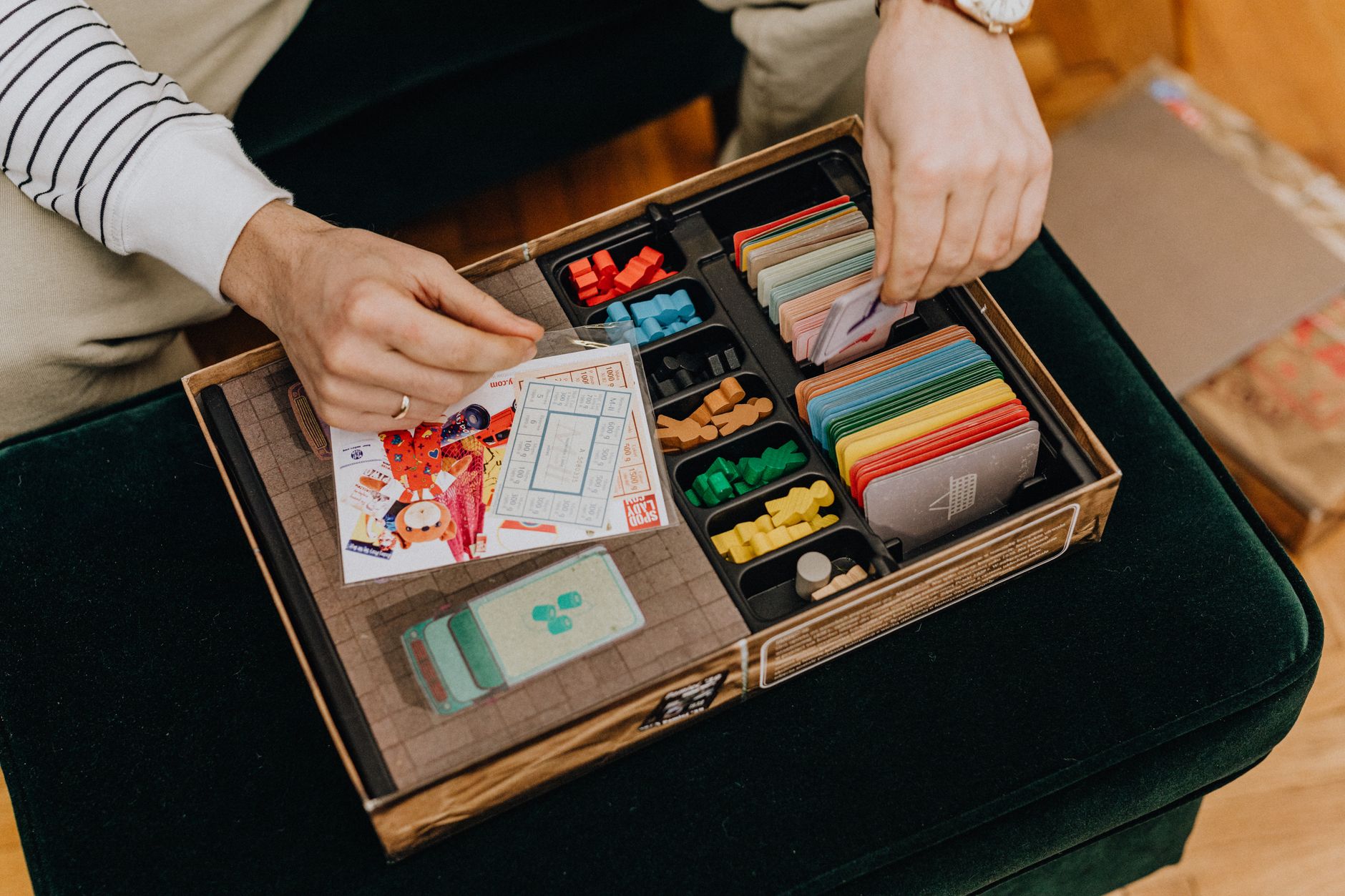
Most parents picture family game night as this warm, laughter-filled tradition. Then reality arrives: someone flips the board, the youngest melts down over a bad roll, and the teenager disappears to their room before the first turn is taken. Sound familiar?
The good news is that a successful family game night is less about finding the perfect game and more about setting it up the right way. When you get the structure right, everything else tends to fall into place — even for families with very different ages and very different patience levels.
This guide walks you through how to actually make it work, from choosing your first night to keeping older kids at the table. Whether you have a house full of toddlers, tweens, or both, there is a version of game night that your family will genuinely look forward to.
Why Family Game Night Is Worth the Effort
Before you can convince everyone to show up, it helps to know what you are actually building. The research here is surprisingly strong.
Research from the University of Florida found that kids who practice strategizing and solving problems with their parents end up having better memory techniques and more success at solving problems on their own. Beyond problem-solving, children from families who maintain strong lines of communication through interactions like game nights tend to have expanded vocabularies, higher reading scores, more school motivation, and a more positive perception of the parent-child relationship.
There are emotional benefits too. According to child development specialists, the predictability of a weekly game night acts as an emotional anchor, especially during times of stress or transition. And on a purely physical level, engaging in games triggers the release of endorphins, the body’s natural feel-good chemicals, which helps reduce stress and promotes relaxation.
In short, you are not just playing games. You are building something that pays off in ways that show up in the classroom, in friendships, and in how your child handles hard moments.
Setting It Up So It Actually Happens
The biggest reason family game night fails is that it stays an intention rather than becoming a habit. The fix is simple: put it on the calendar.
Set a consistent day and time, scheduling about an hour to an hour and a half, mark it on the calendar, and make it a priority — even if you start with twice a month. This consistency reinforces the importance of family time.
When you are choosing a night, think about energy levels. If attention and patience tend to run low near bedtime, consider setting your game night on a weekend morning instead. For families with older kids, the best night is one that will not interfere with other activities like sports games or outings with friends — a weeknight when older kids are not missing out on something important to them tends to work well.
Keep the setup simple: a cleared table, some snacks, and devices in another room. Unless someone is joining via video call, all devices should go in another room so you do not even hear the silent buzz of a new message. The less friction between the family and the game, the better.
Choosing Games That Work for Your Family’s Ages
The most common game night mistake is choosing a game that works for one child and not the others. A bored 13-year-old and a confused 5-year-old both spell trouble.
According to a study by the University of Wisconsin-Madison, playing board games can help toddlers improve their executive function, which is essential for learning, problem-solving, and planning ahead. Simple turn-based games are the right entry point for young children. Taking turns choosing the game is a good practice, and making sure games are appropriate for the youngest player keeps everyone feeling included.
For mixed-age households, look for games with adjustable rules or team formats. Pairing a younger child with an older sibling as a team can bridge big age gaps without anyone feeling left out. Do not be afraid to adjust the rules to suit the ages and developmental ability of your kids — the goal is connection, not strict compliance with the rulebook.
For older kids and tweens, keeping them interested often means giving them more agency in game selection and opting for games with deeper strategy, social interaction, or even a bit of silliness. Letting them be the resident expert on a new game gives them a role that feels meaningful rather than obligatory. You can find age-matched ideas in our roundup of best board games for kids under 10 and best board games for ages 10 and up.
Handling Losing, Meltdowns, and Competitive Kids
Even the best-planned game night can hit a wall when someone dissolves into tears after losing. This is not a failure — it is actually one of the most valuable moments game night offers.
For many children, losing a game can feel like a personal failure. Because they are still developing emotional regulation and perspective-taking skills, wins and losses are often experienced very intensely. Without the right support, losing can trigger tears, frustration, or even tantrums.
The key is how you respond. Before correcting a child’s behavior, take time to acknowledge their big feelings — saying something like “I know it’s disappointing to lose, you worked really hard” helps your child feel heard and starts building the foundation for emotional regulation. Avoid saying “it’s just a game” — this can feel dismissive.
Simple tools such as deep breathing, counting to ten, or taking a quick break can help children regulate strong emotions in the moment. Teaching these coping skills during playtime gives them lifelong tools for managing frustration. Model the behavior you want to see: by modeling respectful reactions when losing — staying calm, saying “good game” or “congratulations” — parents teach children that setbacks are part of growth.
Keeping the Tradition Going Long-Term
The families who make game night last are the ones who treat it as a living tradition rather than a fixed routine. A few small habits make a big difference.
Let everyone take ownership. Empowering kids by letting them help choose the game, pick the snacks, or decide the theme for the night fosters buy-in and excitement — especially for older children and teens. Rotating who picks the game each week means no one feels like game night is something being done to them.
Family game nights can turn into cherished traditions. Over time, they become anticipated and well-loved events. These traditions contribute to a sense of continuity and stability within the family, creating a strong foundation for social development.
If engagement drops as kids get older, shake things up. Try a new format, invite a grandparent over video call, or let a teenager teach the family a game they already love. Letting kids be part of deciding which games you will play — which may include a variety of board games and even games involving technology — signals that their preferences matter. The specific game is almost never what makes the night memorable. The time together is.
Related Guides
- best board games for kids under 10
- best board games for ages 10 and up
- games that parents actually enjoy playing too
- keeping kids entertained on long trips
Frequently Asked Questions
How often should you have family game night?
Once a week is the most commonly recommended frequency, but even twice a month is enough to build the habit. Consistency matters more than frequency — a predictable, recurring slot on the calendar is what turns it into a real tradition.
What do you do when a child refuses to participate in family game night?
Let them observe first without pressure, and give them a low-stakes role like score keeper or timer. Kids who feel they have some control over the experience are much more likely to ease in on their own terms. Avoid making game night feel like a mandatory chore.
How do you handle a wide age range at family game night?
Use a team format that pairs younger and older kids together, or look for games that allow rule adjustments by age. Short games also help because younger children can stay engaged for a full round without losing focus. Rotating game selection so each child gets to choose ensures everyone feels considered.
How long should family game night last?
Plan for 60 to 90 minutes, especially with younger children. For mixed-age families, starting with one shorter game and adding a second if the energy is still good works better than committing to a single long game that drags for younger players.