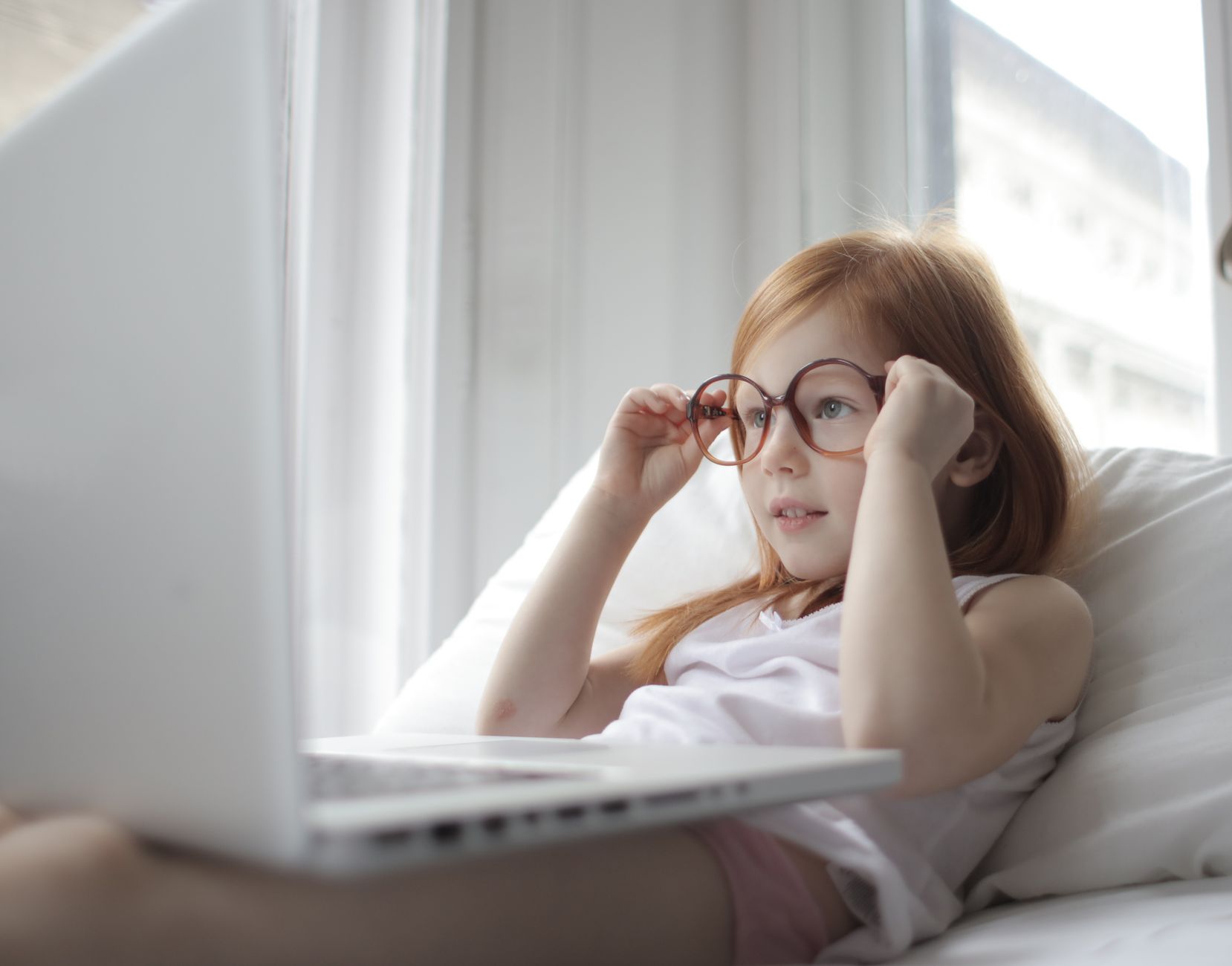
Most parents have heard they should limit screen time, but few have heard a clear explanation of what screens are actually doing to their children’s eyes. The risks are more specific and more preventable than you might expect, and they go well beyond a little eye fatigue after a long gaming session.
Researchers and pediatric eye specialists have been tracking a steep rise in childhood nearsightedness over the past three decades, and the combination of increased screen time and reduced outdoor activity is a key part of that story. Understanding what is happening and why puts you in a much better position to make practical changes that actually help.
This guide breaks down the main ways screens affect developing eyes, translates the latest guidance from pediatric and ophthalmology organizations into plain language, and gives you a handful of habits that are genuinely worth building into your family’s routine.
The Real Risk: Why Kids’ Eyes Are More Vulnerable Than Adults'
Children are not just small adults when it comes to vision. Their visual systems are still developing, which makes them more susceptible to problems that most adults would shrug off after a long day at a computer.
One major concern is myopia, or nearsightedness — a condition where the eye grows too long from front to back, making distant objects blurry. Nearsightedness in children has increased at an alarming rate over the past 30 years, and it is estimated that about 40% of children ages 6 to 19 are currently nearsighted. Intense near-work, including screen use, correlates with higher rates of myopia — especially when outdoor activity is kept to a minimum — and a 2024 meta-analysis reconfirmed that screen time is significantly associated with myopia development in children and adolescents.
Digital eye strain is another layer of concern. Children are not simply smaller adults when it comes to screen use: their visual system is still developing, and long periods of near focus place steady demand on the eye’s focusing system. Children frequently get so absorbed in what they are doing that they do not notice symptoms of eye strain — which means the warning signs can go unaddressed for weeks or months.
What Digital Eye Strain Actually Looks Like in Kids
Digital eye strain does not always announce itself as eye pain. The symptoms are often vague enough that parents and children attribute them to something else entirely.
Digital eye strain can include headaches, eye fatigue, burning, irritation, redness, blurred vision, dry eyes, and difficulty focusing. When focusing on screens, kids tend to blink less frequently, which leads to reduced tear production — causing discomfort, redness, and itchiness in the eyes.
Sleep is another casualty. Screen time can disturb kids’ sleep: exciting content can wind a child up when they should be winding down, and research shows that when devices are used in the evening, the blue light they emit alters the brain’s sleep rhythms.
If your child regularly complains of headaches after schoolwork or gaming, squints at the board at school, or seems unusually tired on school days, it is worth considering whether screen habits are playing a role. These are the kinds of symptoms that are easy to miss until they become persistent.
The Outdoor Time Connection Most Parents Miss
One of the most well-supported, and least talked about, pieces of guidance from eye health researchers is strikingly simple: time outside protects children’s vision.
Pediatric ophthalmologist Noha Ekdawi, MD, gives every patient the same prescription: spend more time outdoors. Sunlight is widely considered the best way to prevent myopia in children. Population studies show that children spending two or more hours outdoors daily are significantly less likely to develop myopia.
Studies show that children who spend more time in sunlight have both lower rates of developing myopia and slower myopia progression — a benefit that holds even for children who already have a family history of nearsightedness.
This does not mean you need to ban all screens. It means that building in genuine outdoor time each day is one of the most effective tools you have. A walk, a bike ride, or even just playing in the backyard counts. The light exposure, the distance viewing, and the natural break from near-focus work all contribute to healthier eye development in ways that indoor activities simply cannot replicate. If your family already owns tablets or a gaming laptop, pairing screen time with consistent outdoor time is the most research-supported balance you can strike.
Simple Rules That Actually Help: 20-20-20, 1-2-10, and Screen Positioning
A few concrete habits can significantly reduce eye strain without requiring you to take devices away entirely.
The 20-20-20 rule: The American Optometric Association recommends looking away from the screen every 20 minutes, focusing on an object at least 20 feet away for at least 20 seconds — and children should also walk away from the screen for at least 10 minutes every hour. Setting a simple timer does most of the work here, since kids are rarely going to remember on their own.
The 1-2-10 rule for screen distance: Hold phones 1 foot away, sit 2 feet away from laptops and desktops, and encourage children to sit 10 feet away from the television.
Screen positioning matters too. The smaller and closer a screen is, the harder your child’s eyes must work. Encourage use of larger screens like laptops or desktops rather than small phone screens, position the screen at least an arm’s length away, and make sure the screen is positioned so your child looks slightly down at it, not up.
Before bed: Digital devices emit blue light, which can disrupt sleep patterns and lead to prolonged eye strain, so turning off screens at least one hour before bedtime is a sound habit to build.
When to Talk to Your Pediatrician or Eye Doctor
Regular eye exams are the most reliable safety net for catching vision problems before they affect learning, sport, or daily life. The AAP and AAPOS recommend an initial eye exam between 6 and 12 months of age, another between 3 and 5 years, and annually thereafter — these early exams detect conditions like lazy eye, crossed eyes, and refractive errors that can affect vision development.
Between checkups, watch for specific warning signs. Early signs of hearing loss may include ringing in the ears, difficulty understanding speech in noisy environments and noise sensitivity — and for vision, the equivalent warning signs include squinting, sitting closer to screens over time, frequent headaches, and complaints about blurry distance vision.
If your child uses screens heavily for school — something many families now rely on for homework and online learning — it is worth mentioning screen habits to your pediatrician at the next visit. Eye development is shaped by both genetics and environment, and screen time is one factor families can actively manage with the right knowledge and a bit of balance. You do not need to be alarmed, but you do want to stay proactive.
Related Guides
- kids headphones for summer use
- gaming laptops for teens
- kids tablets for road trips
- screen-free board games for younger kids
Frequently Asked Questions
How much screen time is too much for a child’s eyes?
There is no single number that works for every child, but the quality and conditions of screen use matter as much as the total time. Building in the 20-20-20 break rule, enforcing screen-free outdoor time each day, and turning off devices an hour before bed are more actionable than chasing a specific hour limit. For children under 6, less is clearly better for developing eyes.
Can screens permanently damage my child’s eyesight?
Digital eye strain from screens is typically temporary and resolves with rest and better habits. The larger long-term concern is myopia progression, which is linked to extended near-work indoors and insufficient outdoor time. Myopia is not reversible once it develops, but its onset and progression can be slowed significantly with more outdoor time and regular eye exams.
Do blue light glasses actually help kids who use screens a lot?
The evidence for blue light glasses reducing eye strain is mixed, and major eye health organizations have not endorsed them as a primary solution. The more evidence-backed strategies are taking regular breaks, maintaining proper screen distance, and ensuring kids get outdoor time each day. If you are considering blue light glasses, discuss them with your child’s eye doctor first.
What age should kids have their first eye exam?
The AAP and AAPOS recommend the first eye exam between 6 and 12 months, a follow-up between ages 3 and 5, and then annual exams after that. Starting school is a natural trigger to book one if your child has not had a recent check, since undetected vision problems frequently look like attention or learning difficulties in the classroom.