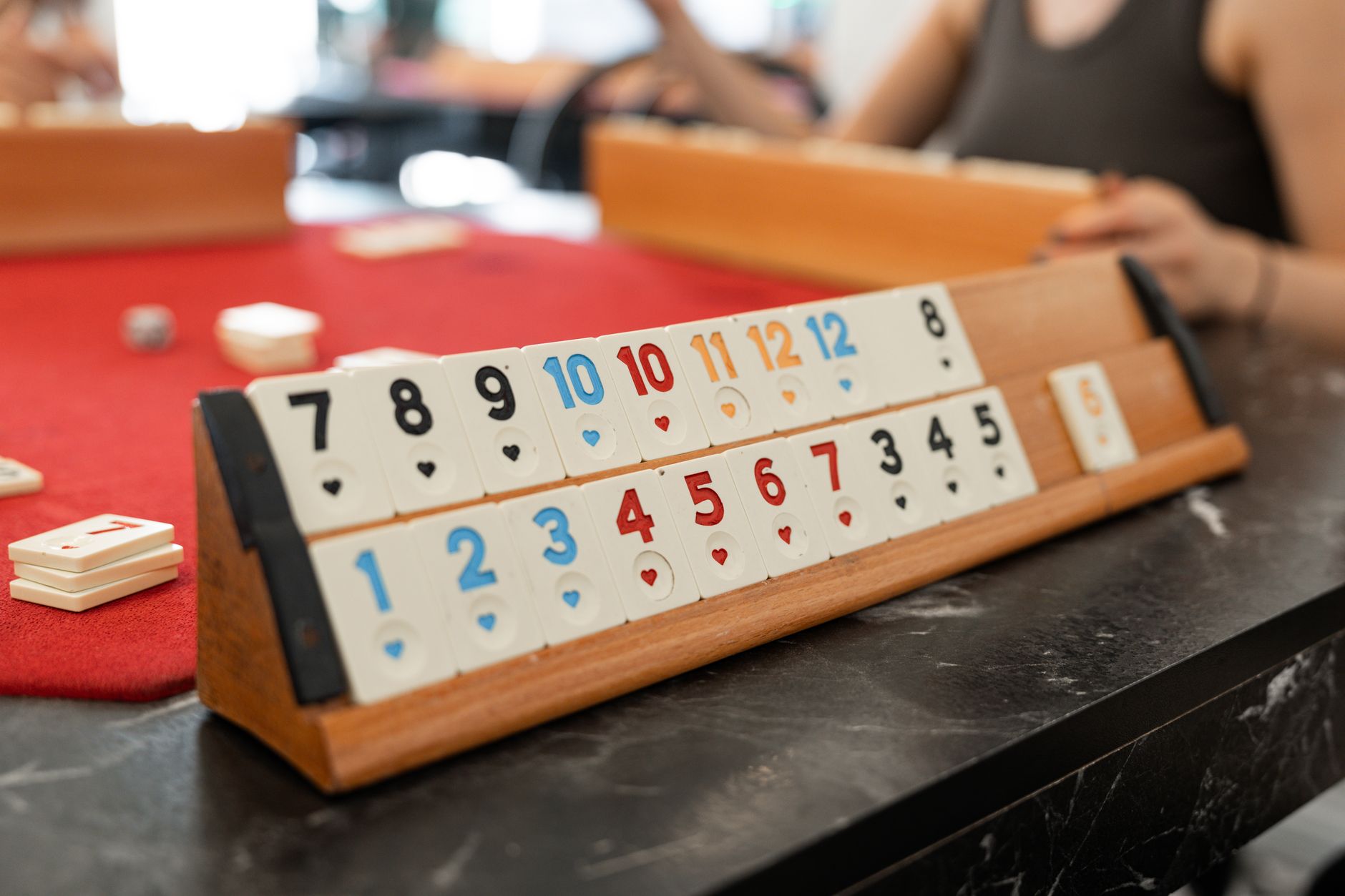
If you have ever watched your child shove a game board off the table because they did not win, you are not alone. Losing is one of the hardest things we ask young children to do, and the reaction can feel mortifying. But here is the thing: that meltdown is not a sign of a bad kid. It is a sign of a developing brain doing exactly what developing brains do.
The good news is that board games are one of the best low-stakes arenas for practicing this exact skill. Every roll of the dice, every missed turn, every time an opponent reaches the finish line first is a tiny rehearsal for handling disappointment in real life. And unlike a sports field or a classroom, a family game table gives parents a unique front-row seat to coach through the hard moments.
This post breaks down what the research says about emotional regulation and game play, what to expect at each age, and practical ways to turn game-night setbacks into genuine wins for your child’s development.
Why Losing Feels So Big to Kids
Before you can help your child handle a loss, it helps to understand why the reaction is so intense in the first place. Young children have not yet fully developed the prefrontal cortex — the part of the brain responsible for impulse control and emotional regulation. So when the outcome goes against them, the emotional response is fast, strong, and hard to reason with in the moment.
Development experts point out that expectations for handling defeat need to match a child’s stage of development. Toddlers between two and three years old do not yet understand winning or fairness, so emotional outbursts are completely normal. Preschoolers aged four and five begin to grasp rules but still tend to think in black-and-white terms, and losing can feel very personal. Early school-aged children between six and nine are better able to understand fairness and effort, meaning they can start to genuinely process what went wrong. By the preteen years, kids can engage in real reflection — but they still need guidance.
Knowing this helps parents respond with appropriate expectations rather than frustration. A four-year-old in tears is not being dramatic. They are doing exactly what their developmental stage allows.
What the Research Says About Games and Emotional Growth
Board games are not just entertainment. Research consistently links regular game play to the development of a range of social and emotional skills. According to psychologists at Manhattan Psychology Group, board games help children learn waiting, turn-taking, sharing, coping with losing, problem solving, compromising, and being flexible — all in one sitting.
The structured nature of games is a big part of why they work so well. Rules are clear, turns are defined, and outcomes are visible. That predictable structure creates a safe environment for practicing emotions that feel overwhelming in messier real-world situations. Researchers have also found that playing board games with preschoolers can enhance memory, attention span, and decision-making skills — all of which feed directly into better emotional self-management.
One particularly compelling finding from research published in Frontiers in Psychology found that chess instruction not only improved cognitive ability in young children but also significantly strengthened their emotional resilience, with children showing measurably better patience scores after regular play. The takeaway for parents is clear: games that require waiting and sustained attention build the emotional muscles children need far beyond the game table.
How Parents Shape the Experience
The most important factor in whether a game builds resilience or just produces tears is you. Children watch how adults respond to frustration and disappointment long before they can articulate those concepts themselves, and parents who model calm reactions after a loss give kids a practical roadmap for managing their own feelings.
This does not mean you have to pretend you are thrilled when you land on a bad square. In fact, narrating your own emotional regulation out loud is far more effective than correcting behavior after the fact. Something as simple as “I was hoping to win that round — I am a bit disappointed, but I still had fun playing” teaches children that emotions are normal and manageable at the same time.
Before any game starts, it also helps to set a tone. Remind kids that the goal is to enjoy time together, not just to win. This small reframe reduces the pressure that makes losses feel catastrophic. Praise effort and attitude during the game, not just outcomes. Phrases like “I love how you kept thinking of new moves” matter more than “great job winning.” And when big feelings do show up, stay calm and brief: acknowledge the feeling, help your child reset, and avoid long lectures in the moment.
Practical Strategies for Different Ages
Matching your approach to your child’s age makes a real difference in how effective your coaching is.
Ages 3 to 5: Focus on making game play feel enjoyable above everything else. Start with games that rely mostly on chance — outcomes feel less personal when luck is involved. Keep sessions short. Let emotional outbursts pass without much commentary, then gently name the feeling together once they have calmed down. Practicing simple phrases like “good game” before the game starts helps too, so children have words ready when emotions are high.
Ages 6 to 9: Children at this stage can start to reflect on what happened. After a game, ask open questions: “What would you do differently next time?” Keep the conversation brief and curious, not corrective. Cooperative games are also valuable at this age for building the habit of working toward shared goals rather than beating an opponent.
Ages 10 and up: Older kids can handle more honest conversation about strategy, effort, and resilience. They can also begin to connect how they handle a loss in a board game to how they handle setbacks in school or friendships. This is a natural age to introduce more complex strategy games, which also happen to be rich ground for those reflection conversations.
The Long Game: Why This Skill Is Worth the Effort
Teaching a child to lose well at a board game might seem like a small thing. But the skill being built is one of the most durable advantages you can give them. Learning to analyze what went wrong, adjust their approach, and try again is a pattern that carries directly into higher-stakes situations — school, sport, friendships, and eventually the workplace.
Research on children who play games regularly suggests they develop faster cognitive recovery from setbacks and stronger habits of persistence over time. Children who experience a healthy mix of winning and losing in a supportive environment also build a more realistic self-concept — one that is not shattered by every disappointment.
The family game table is one of the few places where you get to sit beside your child through the hard emotional moments and guide them in real time. That combination of repetition, low stakes, and parental support is genuinely rare. If you are looking for a good place to start, our guide on [how to start a family game night everyone enjoys] has practical tips for setting up the right environment, and our [best board games for kids under 10] roundup is a great reference for age-matched starting points.
Related Guides
- best board games for kids under 10
- board games for kids ages 10 and up
- games the whole family will actually want to play
Frequently Asked Questions
Is it normal for kids to cry or have meltdowns when they lose board games?
Yes, and it is developmentally expected, especially under age six. Young children have not yet developed the brain structures needed for strong impulse control, so big reactions to losing are normal. With consistent, calm guidance and regular practice through game play, most children gradually improve their ability to handle disappointment.
Should I let my child win on purpose to avoid a meltdown?
Occasionally letting a young child win can help them build a positive relationship with game play, but it should not be the default. Children need a healthy mix of both winning and losing to develop resilience. A better approach is to choose games with a strong luck element early on so losses feel less personal, and build toward more skill-based games as their emotional regulation improves.
What types of board games are best for teaching kids to handle losing?
For younger children, start with games that rely heavily on chance rather than skill — the outcome feels less like a personal failure. Cooperative games are also excellent because they eliminate direct competition while still teaching turn-taking and patience. As kids get older, gradually introducing strategy games gives them more opportunity to reflect and grow from the experience of losing.
At what age can kids really understand sportsmanship?
Most children begin to grasp basic fairness and effort around ages six to nine, making this the prime window for more intentional sportsmanship coaching. Toddlers and preschoolers are still too developmentally early for abstract concepts like fairness, so the focus at those ages should be on simple turn-taking and naming emotions rather than expecting gracious losing.